
China+1: Diversification or China’s Tariff Escape route?


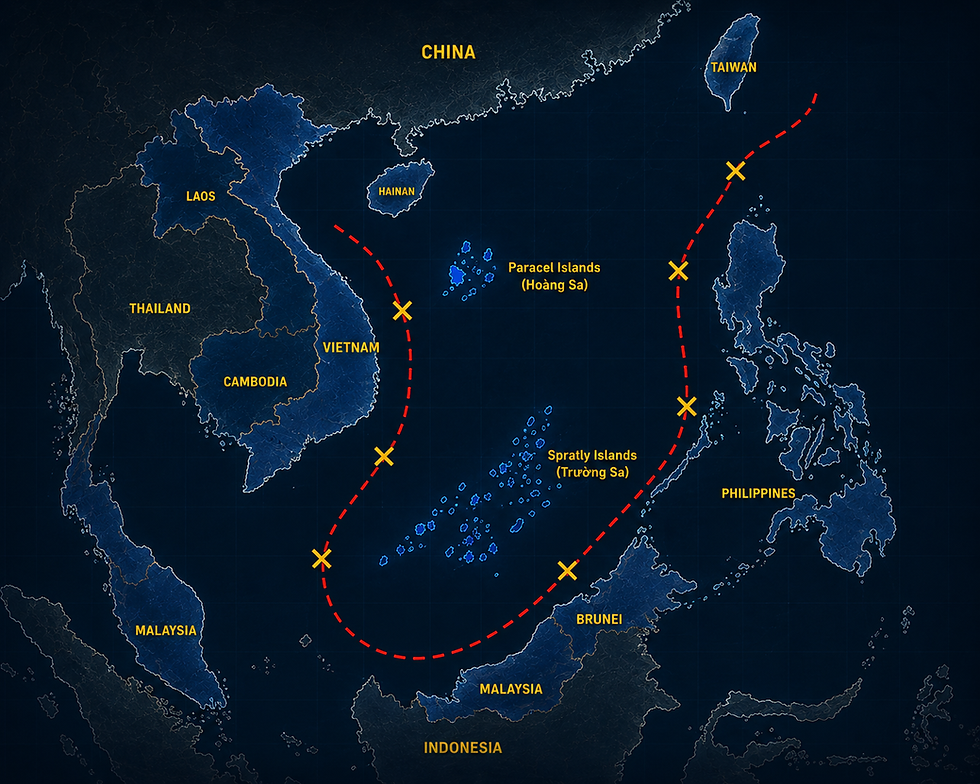
For several years China was unquestionably the center of global manufacturing, however in recent years due to the Covid pandemic challenges, the trade tensions with the US and even the energy crisis in the strait of Hormuz, businesses have come to realize how important it is to reduce dependencies and vulnerabilities on China, especially with concerns over escalation of tensions in the Taiwan Strait.
But rather than abandoning China altogether, multinational companies are starting to adopt the China+1 strategy, meaning they maintain their production in China while they expand manufacturing into at least one additional country. Again, the objective is not to replace China, it wouldn’t be feasible right away since the country has an unmatched manufacturing ecosystem in place already, but to reduce dependence on a single manufacturing location.
The biggest beneficiaries have been countries in Asia Pacific. Apple has expanded iPhone production in India while increasing production of AirPods, Apple Watches, and iPads in Vietnam. Samsung has made Vietnam one of its largest global manufacturing centers, Malaysia has attracted significant investment in semiconductors accounting for almost 13 per cent of the worldwide market for the outsourced semiconductor. Indonesia and Thailand have also benefited from growing investment, particularly in electric vehicles and industrial production. McKinsey's analysis shows that Vietnam and Indonesia have increased their share of Southeast Asia's exports to North America, Europe, and other markets
Chinese companies also using the strategy
What is interesting is that Chinese companies themselves have started to use this same strategy. Many have invested in manufacturing facilities particularly in Vietnam where Chinese firms represented roughly 30% of new investment projects in January 2025, while 38% of Vietnam's imports still originated from China , Malaysia, and Thailand, allowing the products assembled there to continue accessing global markets while trying to avoid tariffs in the context of the US-China rivalry. Some analysts have even argued that the strategy is a "China Through One" where supply chains diversified geographically but are still directly connected to Chinese investment, components, and manufacturing. Transshipment is also part of this picture, rerouting the goods manufactured in China through other ASEAN countries.
The risks
Either the Chinese manufacture infrastructure or the transshipment could mean a short term push for the beneficiary locations, it could also bring them in a subordinate role in the greater Chinese-centered supply chain and depending on how the US defines rules of origin, how they are implemented, and enforced, the impact could be substantial. The U.S. already imposed tariffs on solar panels produced in several Southeast Asian countries back in 2025 after concluding that Chinese manufacturers had changed the location of the production to avoid existing trade restrictions and had been subsidizing it.
The creation of policies to minimize Chinese content in Southeast Asia could keep raising costs, and expose the region to higher U.S. tariffs while at the same time face pressure from Beijing who would not respond passively if governments in the region adopt rules to limit Chinese exports, under U.S. pressure placing them in the crossfire between Washington and Beijing.


Comments