
PM Takaichi’s New Intelligence Agency is Japan’s Modern Line of Defence


The ability to anticipate an adversary’s next move has become an increasingly critical pillar of national security in a geopolitical environment marked by cyberattacks, military tensions, and strategic rivalry. As competition between states grows, governments are placing greater emphasis on the capacity to gather, process, and act upon strategic information faster than their adversaries. This is a domain where Japan has lagged behind many of its allies, but a gap Tokyo is now seeking to address.
Why it was needed
Japan has lacked the type of centralized intelligence institution commonly found among major powers such as the CIA in the United States, MI6 in the United Kingdom, or France’s DGSE . Instead, intelligence responsibilities have been divided across the Cabinet Intelligence and Research Office, the Ministry of Defense, the National Police Agency, and the Foreign Ministry. This has left Tokyo without a single agency dedicated to coordinating foreign intelligence collection and strategic analysis which has been criticized for producing slow interagency coordination, fragmented assessments, and an overreliance on intelligence coming from allies, particularly from the United States.
This is why on 22 April 2026, Prime Minister Sanae Takaichi’s government approved legislation to create a new centralized intelligence framework intended to improve coordination across Japan’s national security institutions. The bill establishes a National Intelligence Council and a National Intelligence Bureau with the objective of consolidating intelligence collection and analysis currently divided among the different agencies that were involved. According to the government, the reform is intended to provide decision-makers with more coordinated intelligence assessments and strengthen Japan’s ability to respond to security, cyber, and foreign policy challenges.
The idea of building a Japanese intelligence agency did not originate with Takaichi, it had already been floating for several years, especially after concerns over espionage, terrorism, and North Korean missile threats in the late 2000s which helped intensify debate within Japanese security circles regarding the limitations of the country’s decentralized intelligence structure. By 2015, reports indicated that the government of former Prime Minister Shinzo Abe was considering the creation of a CIA style foreign intelligence service, though the proposal never materialized, and more recently Japan’s 2022 National Security Strategy further emphasized intelligence enhancement as a pillar of national power which laid the groundwork for the current reform.
Why it could not wait any longer
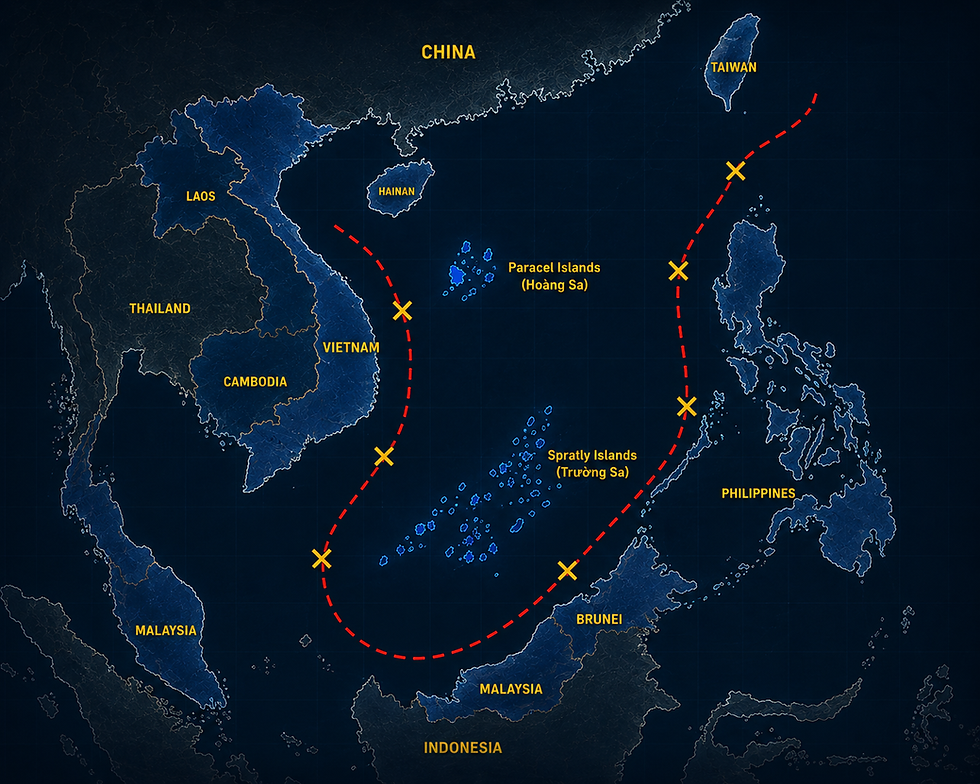
The security environment in East Asia has undeniably worsened. Japan now confronts pressure from China who has become increasingly assertive, a hostile North Korea, and heightened Russian military activity in the Pacific.
For Japanese strategists the most pressing concern remains undoubtedly the possibility of a regional crisis linked to Taiwan. Any conflict in the Taiwan Strait would have immediate consequences for Japan due to its geographic proximity, the presence of U.S. military installations on Japanese soil, and the vulnerability of maritime trade routes. Take for example 2022 when Chinese ballistic missiles landed inside Japan’s Exclusive Economic Zone for the first time during military exercises conducted in response to the U.S. House Speaker Nancy Pelosi’s visit to Taiwan. The event became a demonstration that any Taiwan-related moves would directly implicate Japanese security, showing that if this scenario happens to take place, Tokyo will need quick and coherent intelligence assessments for military and political decision-making.
In addition to that, Chinese pressure has also intensified in Japan’s maritime environment. Around the disputed Senkaku/Diaoyu Islands, Chinese Coast Guard and maritime militia vessels have maintained increasing presence, regularly entering the surrounding zones and territorial waters in what is considered by analysts as a strategy of gradual normalization and administrative pressure.
At the same time Chinese and Russian have held joint naval and air patrols near Japanese territory and of course North Korea has further compounded Tokyo’s security concerns through its missile testing campaign, including repeated ballistic missile launches over or near Japanese airspace and surrounding waters, forcing the Japanese government to issue public alerts and reinforcing the immediacy of the threat environment.
Beijing’s Reaction - Growing Regional Tensions
Chinese affiliated and nationalist media have reacted critically to the announcement, portraying the reform as further evidence of Japan’s alleged remilitarization and expanding military ambitions. Several Chinese outlets have framed the agency’s creation as confirmation that Tokyo seeks to become a more active military power.
These reactions are unsurprising and align with Beijing’s broader narrative strategy of depicting Japanese military modernization as destabilizing while placing less emphasis on China’s own military expansion.It demonstrates how any decision or reforms within Japan or other Asia-pacific countries will be interpreted through the lens of the strategic rivalry and mutual suspicion in the region.
For Beijing, Japan’s intelligence reform will likely be viewed as another indicator that Tokyo is preparing for a more confrontational regional environment and aligning itself more and more with the U.S.
Why This Matters
The creation of a Japanese national intelligence agency will not transform Japan into a major intelligence power overnight. It will take years building the experience, operational capacity, and institutional credibility but what matters is the geopolitical signaling. This event should be understood as Japan adapting to match the harsher and more tense environment, preparing for a future in which regional crises may emerge just as fast as the Ukraine-Russia or Hormuz-strait conflict. Better coordination and independent strategic judgment will be necessary and the country is building its infrastructure now.


Comments